Ayah Ayah (also written as Ayahyah or Ayah Yah) is a traditional cultural song and dance style that is especially popular among the Dinka (Jieng) people of South Sudan, particularly in the Warrap region. It is often performed during cultural celebrations, weddings, community gatherings, and festivals where people come together to celebrate their heritage.
What makes Ayah Ayah special?
- It combines singing, rhythmic chanting, dancing, and group participation.
- The dance is energetic and often performed in lines or circles, with participants responding to singers and drummers.
- It celebrates unity, pride, beauty, community, and cultural identity.
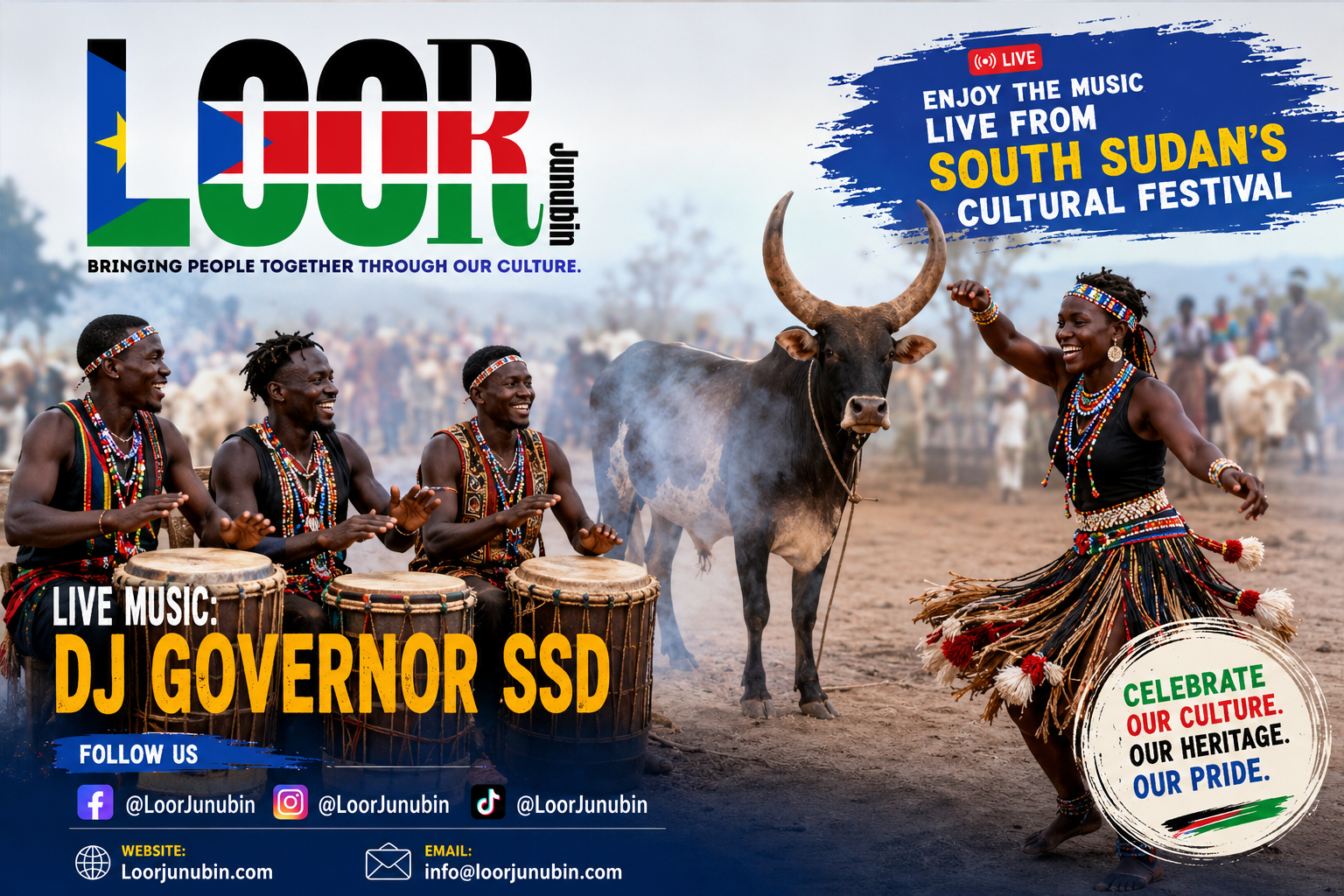
- Traditional attire, beads, and cultural ornaments are commonly worn during performances.
Cultural Importance
For many South Sudanese, Ayah Ayah is more than entertainment. It is a way of:
- Preserving cultural traditions.
- Teaching younger generations about their heritage.
- Bringing communities together.
- Expressing joy, respect, and pride in South Sudanese identity. South Sudan has a rich tradition of folk music and dance that reflects the diversity of its many cultures and ethnic groups.
The History and Meaning of Ayah Ayah in South Sudanese Culture
Ayah Ayah is one of the most cherished traditional songs and dances among the Dinka (Jieng) people of South Sudan. Deeply rooted in community life, it is more than just music—it is a cultural expression that brings people together to celebrate their identity, heritage, and unity. The dance is especially popular in the Warrap region and other Dinka communities, where it is performed during weddings, cultural festivals, community gatherings, and special celebrations.
A Tradition Passed Through Generations
For generations, Ayah Ayah has been passed down from elders to young people as an important part of Dinka culture. Through songs, dance movements, and storytelling, communities preserve their history and values. The rhythm, chants, and coordinated dancing create a powerful atmosphere that connects people to their ancestors and cultural roots.
The Meaning Behind Ayah Ayah
Ayah Ayah represents joy, unity, pride, and belonging. When people gather to perform the dance, they celebrate not only an occasion but also their shared culture and identity. The songs often praise community values, beauty, courage, friendship, and the importance of standing together as one people.
The dance encourages participation from everyone—young and old, men and women. It creates a space where people can meet, share stories, strengthen relationships, and celebrate life together.
Ayah Ayah and Cultural Identity
In today’s world, cultural traditions play an important role in preserving identity. Ayah Ayah continues to remind South Sudanese communities of who they are and where they come from. Whether performed in South Sudan or by the diaspora around the world, the dance helps keep cultural traditions alive for future generations.
Ayah Ayah at Loor Junubin
At Loor Junubin, Ayah Ayah holds a special place among the many cultural performances showcased during the festival. As the rhythm begins and dancers move together in celebration, people from different South Sudanese communities gather to appreciate and learn from one another’s traditions. The performance reflects the mission of Loor Junubin: bringing people together through culture, music, respect, and community spirit.
Ayah Ayah reminds us that while South Sudan is home to many cultures and traditions, we are united by our shared heritage and pride. Through music and dance, we continue to honor our past, celebrate our present, and build a stronger future together.
Loor Junubin – Bringing People Together Through Our Culture.